|
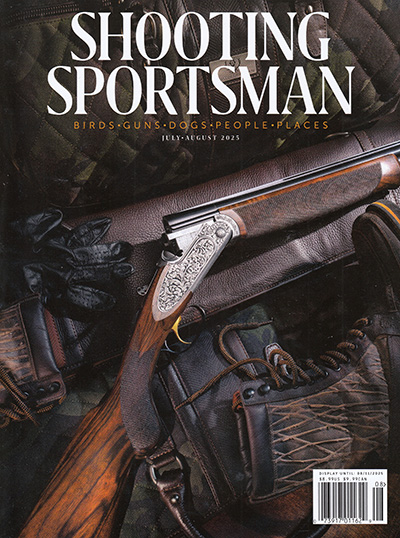
News We are proud to be able to offer renowned outdoor sports photographer Terry Allen's exciting new and first book, "Faces - Portraits From The Wingshooting World". Since 2012, Terry has been taking portraits of people in the Wingshooting world that he has met during his travels. This book showcases those portraits. The book is limited to 1,000 copies. This book was inspired and created with heart felt feeling, dedication and with memories and friendship. 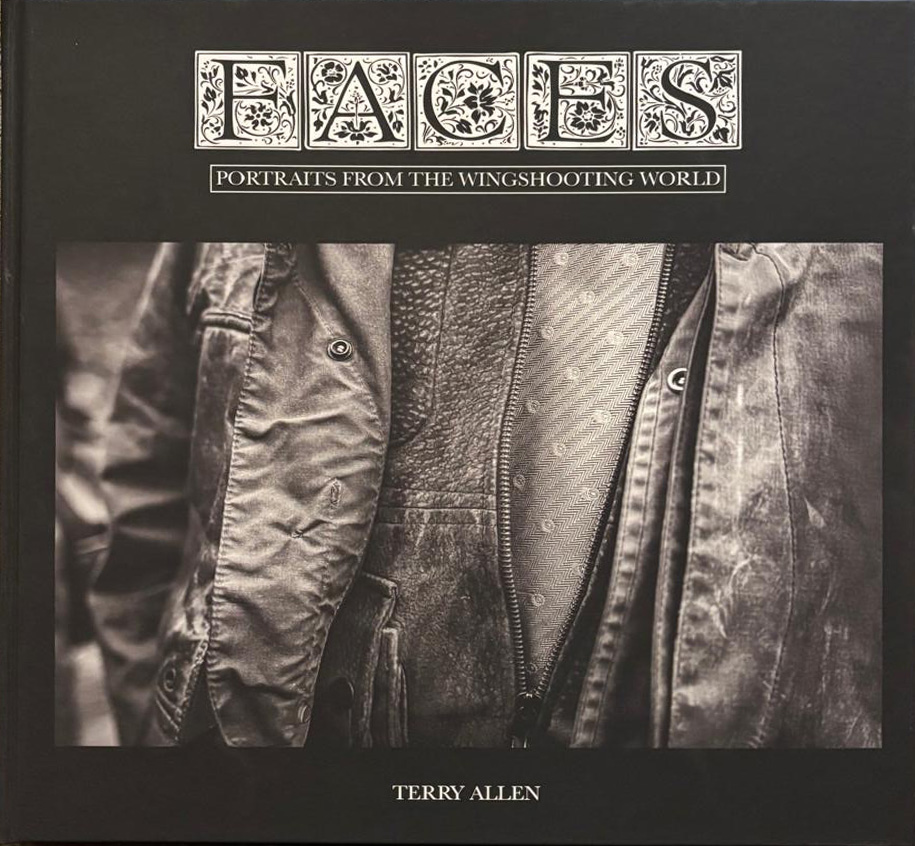 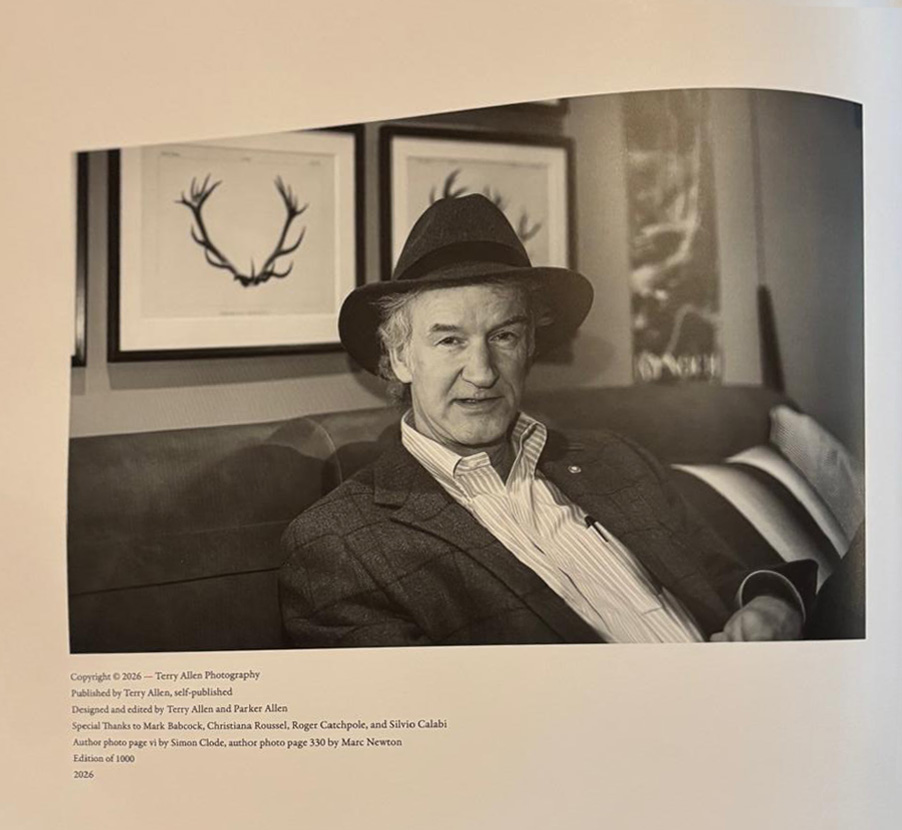  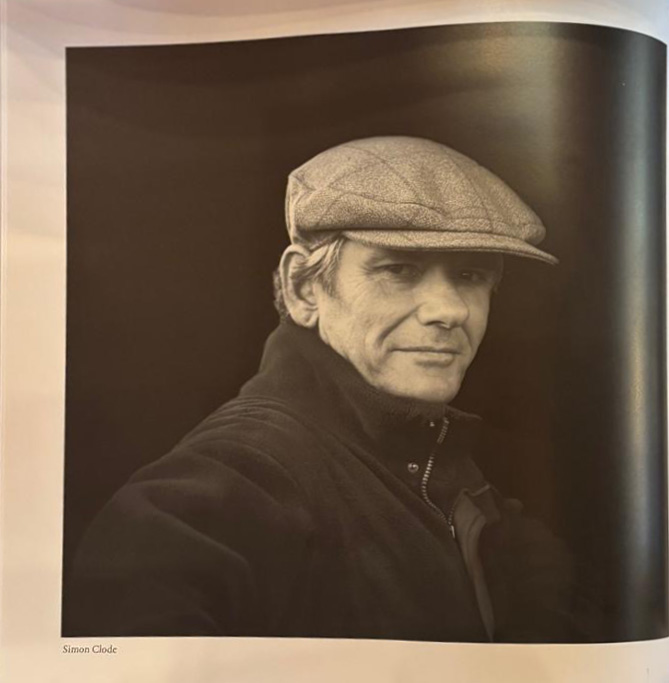 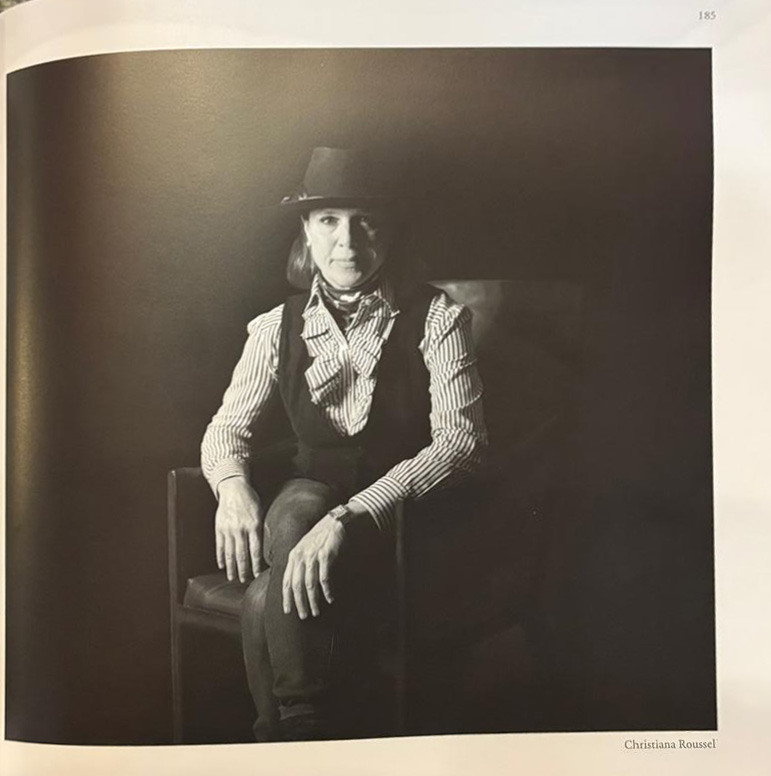 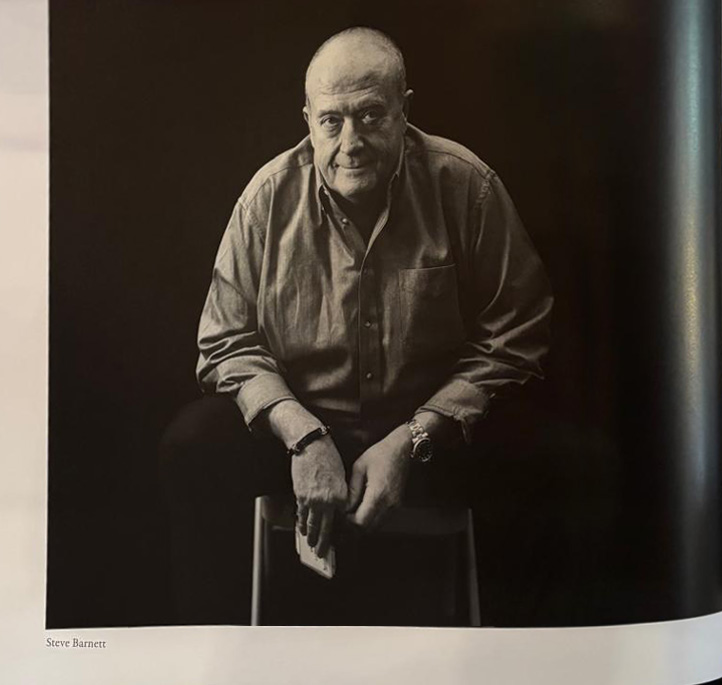 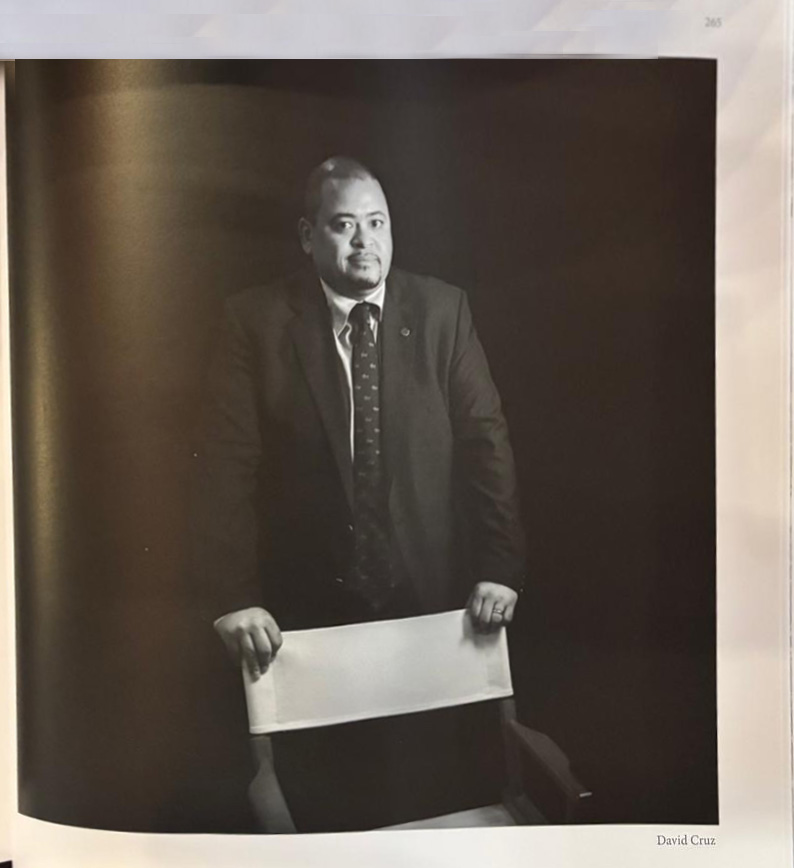 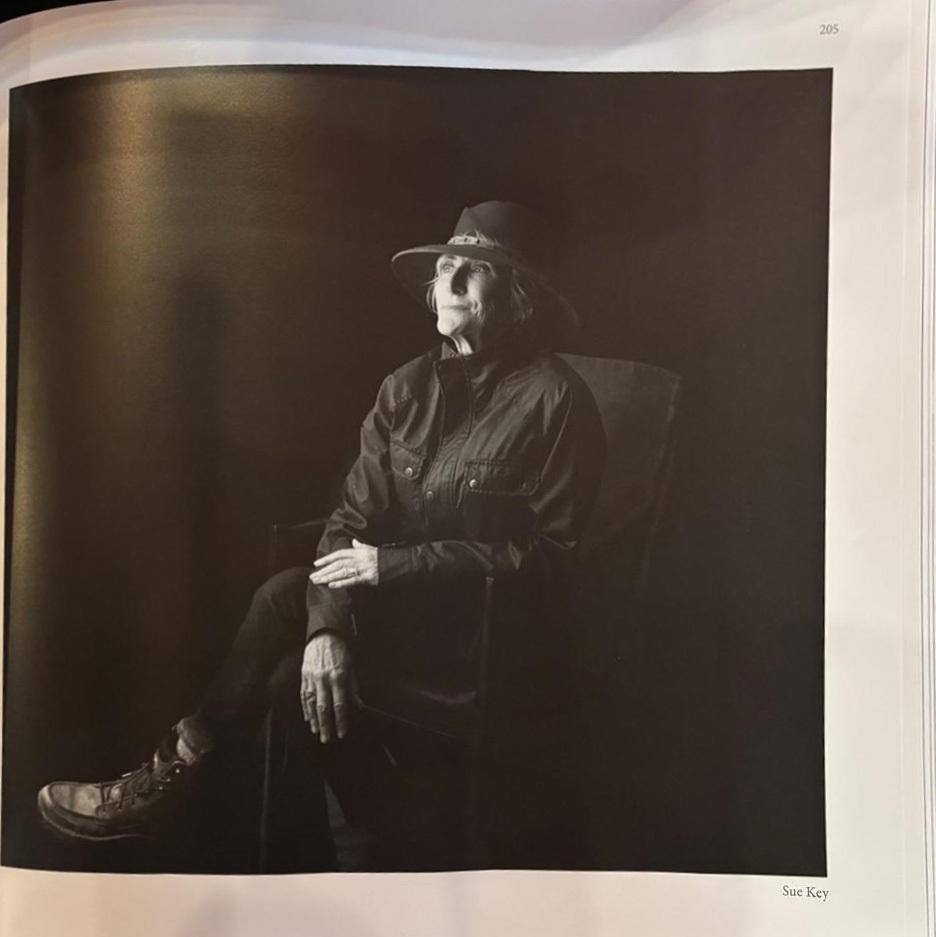 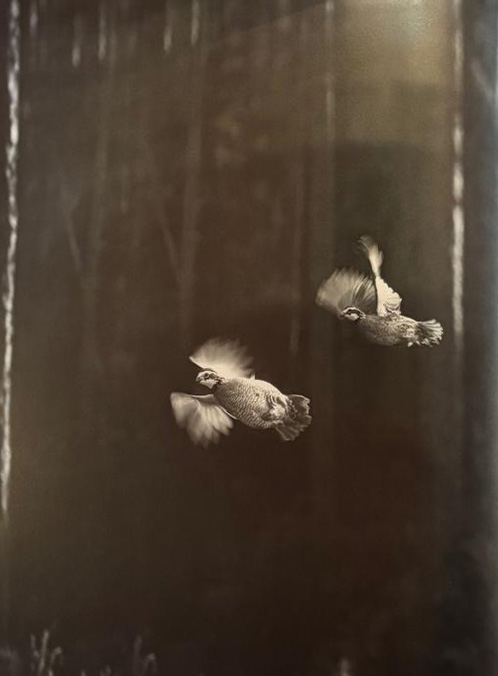 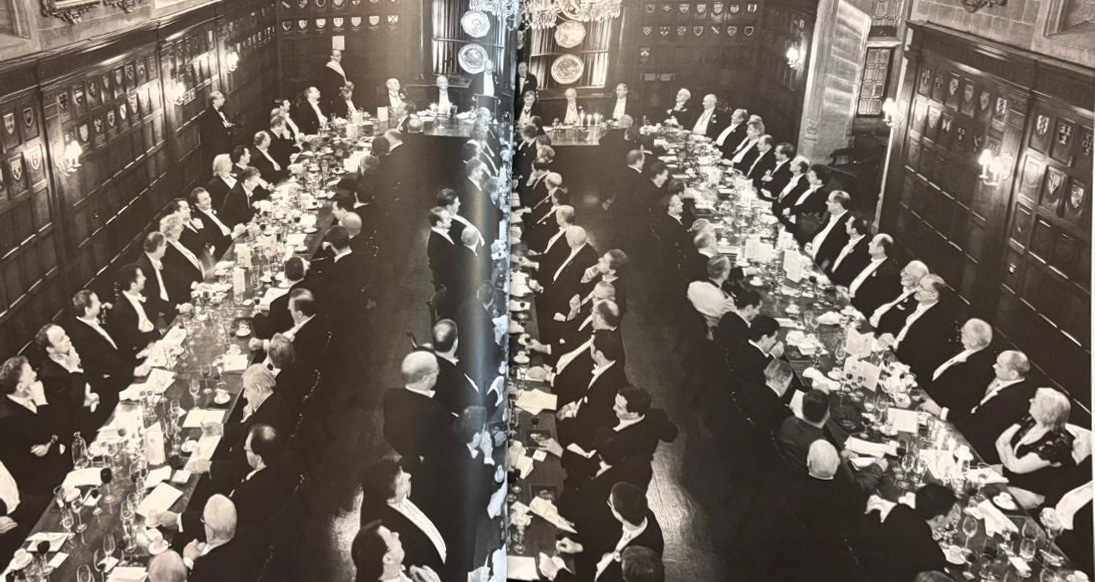 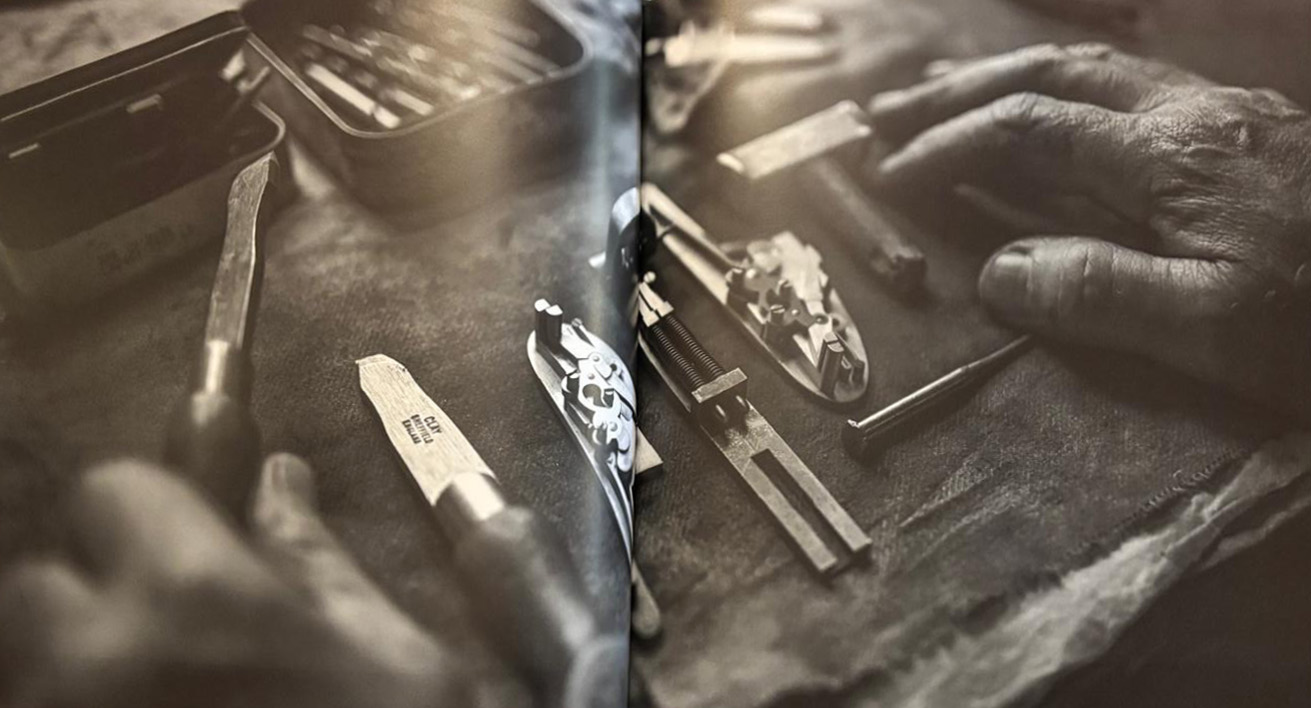 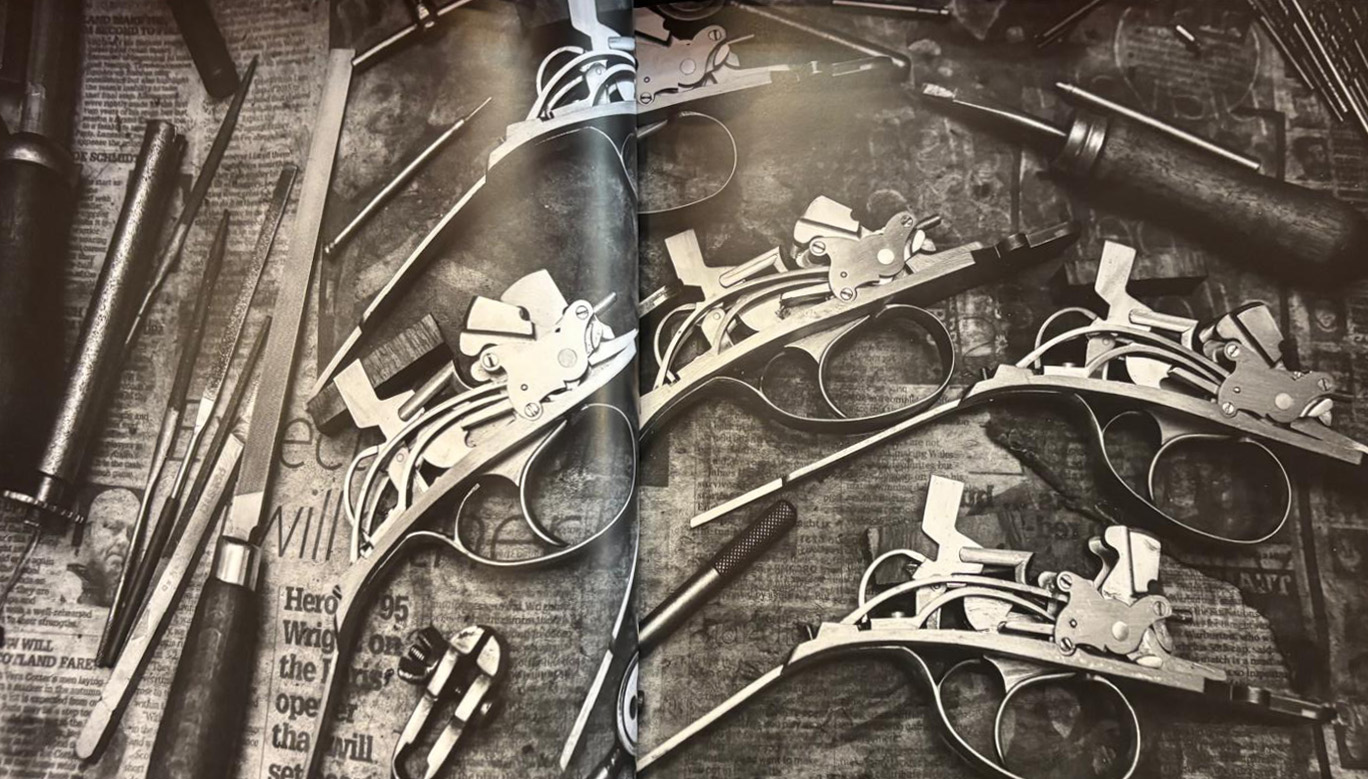  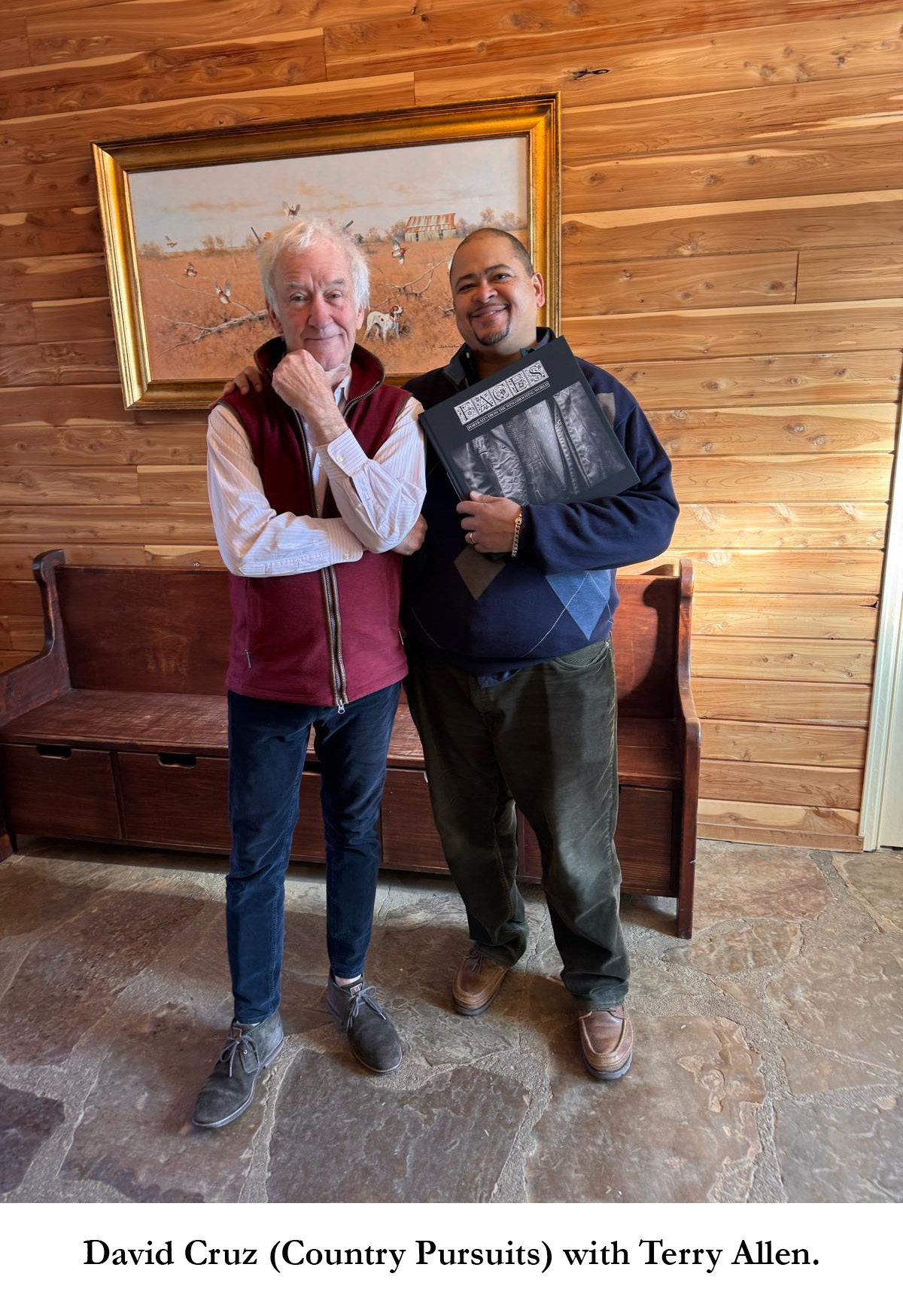 Country Pursuits & Outfitters in "Shooting Sportsman Magazine" November-December 2024 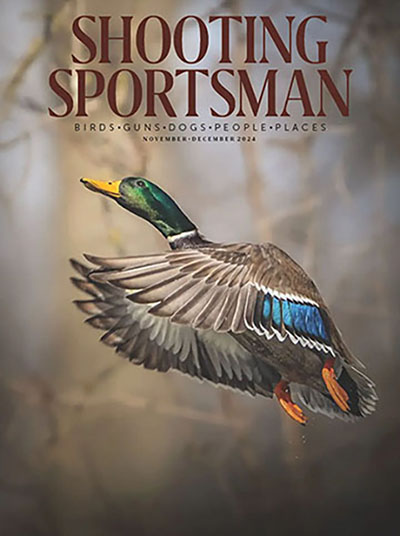
by Robert Parvin Williams 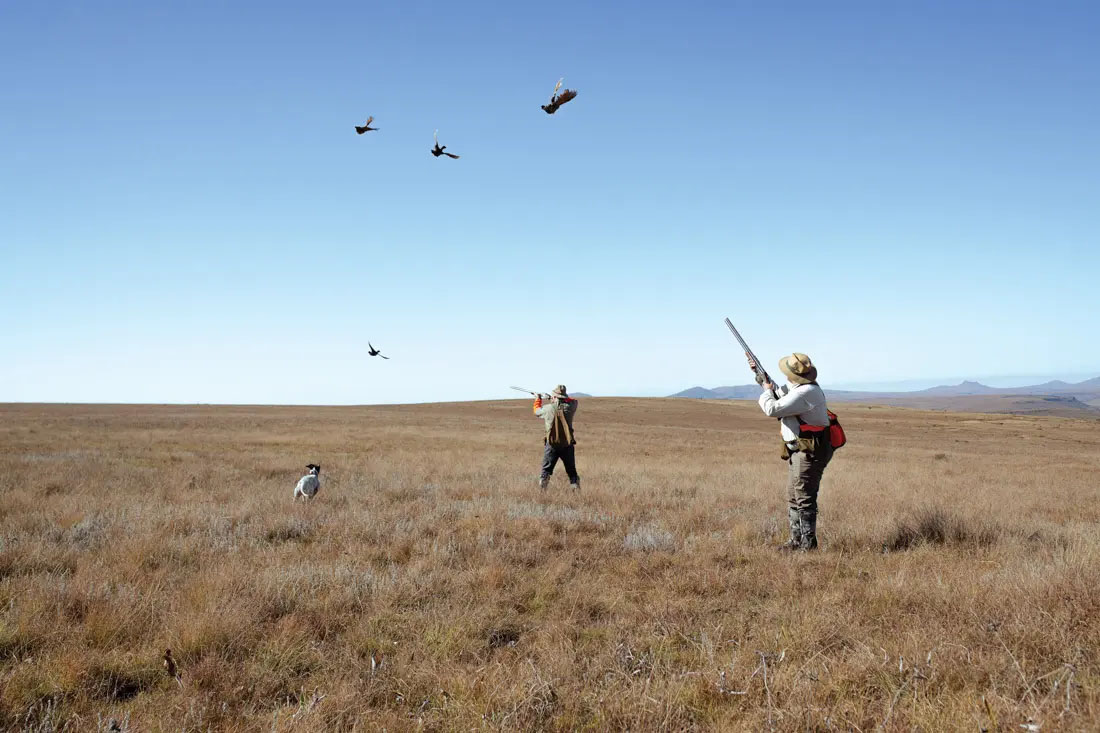
The Milky Way paints itself overhead, and satellites streak across the southern constellations, their paths lit like comets. A tail drums rhythmically against the dog box as Chris picks sandspurs by flashlight from the feet of his pointers. The patterns made by the satellite trails seem reflections of the paths we and the dogs made earlier through lush grass and of the trajectories of swing and shot and flying francolin. And now here we are, earth-bound in starlight, squeezed between land and sky like the filling in a cosmic Oreo. The ice in our gin-and-tonics tinkles in the darkness, tiny bells ringing in another evening in the bush. It's good to be chasing wild birds in Africa again. What was new about this hunt was the dogs. All the other African wingshooting I’d done had been conducted without dogs of any kind, sometimes due to local laws restricting the use of dogs but more often due to the absence, to me inexplicable, of a pointing-dog tradition in the places I’d hunted—chiefly Kenya, Tanzania, Botswana and South Africa. Having grown up in Georgia, where “bird” means bobwhite quail and pointing dogs are nearly as common as shotguns, it always had seemed odd that fine flushing birds like francolin and spurfowl weren’t pursued with pointers by anyone I knew. So when Dave Cruz from Country Pursuits & Outfitters called one day with a short-notice opportunity to hunt behind pointers in the South African highlands, I jumped. Three weeks later Dave, our friend Thomas Hudson, photographer Alexis Greene and I were on a plane to Johannesburg. 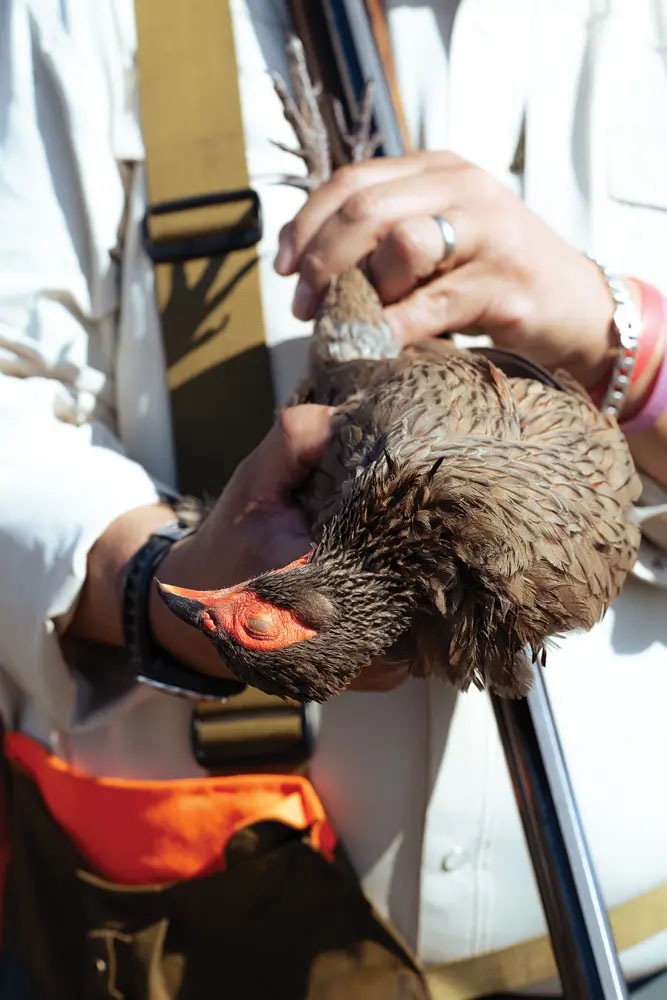
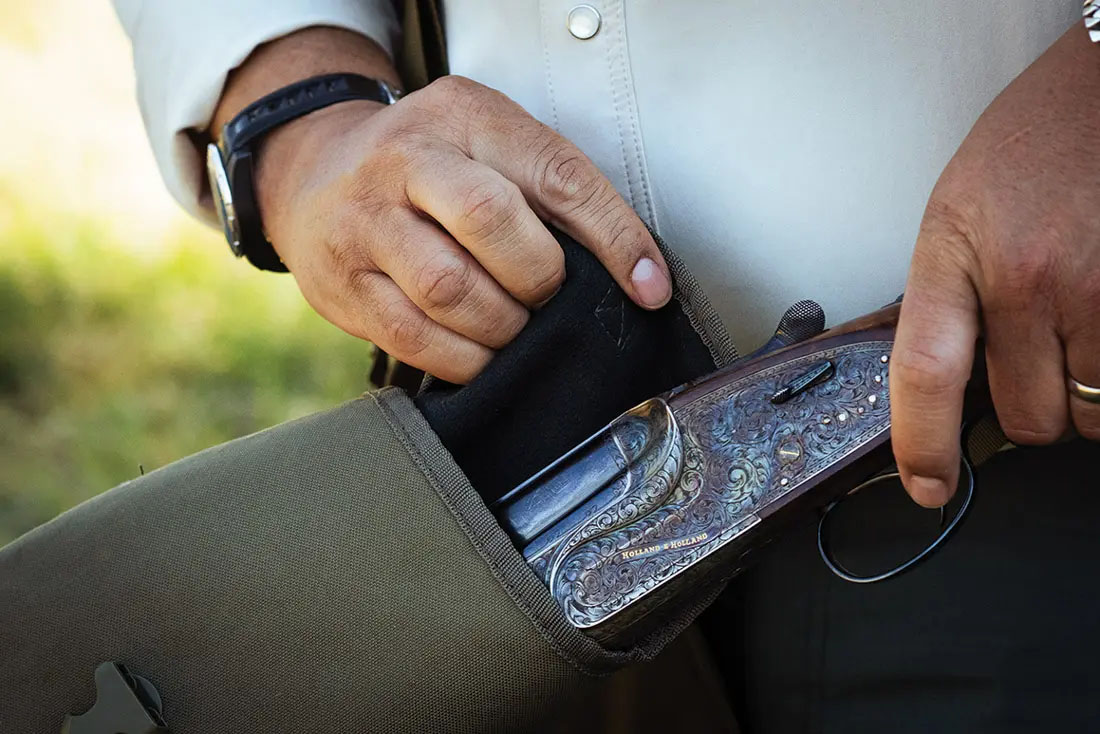
To make gun transport a little easier, Dave very kindly supplied both Thomas and me with shotguns from Country Pursuits' inventory of fine guns. For me, he chose a beautiful and rather famous Symes & Wright 12-gauge over/under known as the "Bird of Prey Gun" for its stunning engravings of falcons, eagles, and hawks in action. For Thomas, Dave chose a classic between-the-wars Purdey 12-gauge side-by-side, and for himself, he opted for his personal Holland & Holland 12-gauge over/under. Even if we missed every bird, at least they'd be honored by our arsenal! We were met on arrival by our outfitter, Chris Christodolou of Ourano Pointers. Chris hails originally from Cyprus but was raised in South Africa and has been training pointers and leading wingshooting safaris in South Africa for several years. His passion is pursuing francolin, especially grey-wings, in the South African highlands, and the itinerary he’d assembled for our trip was designed accordingly. From the airport we headed southeast to a section of the Drakensberg mountains in the Free State province near Verkykerskop, an easy 3½-hour drive on mostly paved roads. Chris assured us the area held a strong population of both red-winged and grey-winged francolin along with a variety of waterfowl. We arrived after dark and settled in with the help of Chris's apprentice hunter, Dylan Botes. Our lodgings were in a guest house at a small corporate retreat that Chris uses when his preferred lodging, a charming manor house, isn't available. We found our rooms clean and comfortable but a little, well, corporate. On our next hunt we'll probably arrange our schedule to stay at the manor house, which looked spectacular as we drove past it on the way to and from the hunting grounds. 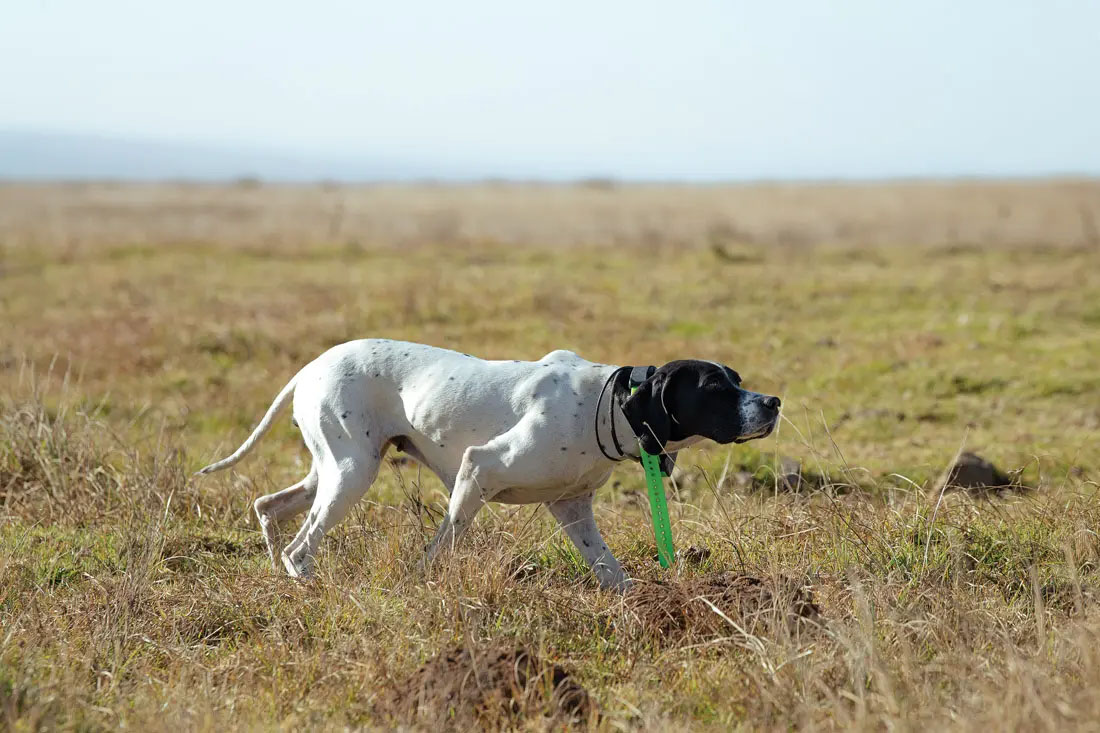
Morning broke bright and a bit warm for May, when temperatures usually start to drop for the South African winter. After a quick breakfast, we drove on dirt roads about 45 minutes through hilly farms up into high rolling grasslands atop one of the more prominent Drakensberg ridges. The country reminded me very much of Montana or Wyoming sharptail habitat: big-sky summer grazing lands with the occasional barbed-wire fence, endless views over undulating ridges and rock-rimmed escarpments, and valleys dotted with marsh-edged wetlands. Chris's hunting range in the area totals about 25,000 hectares—roughly 60,000 acres—which meant we could pretty much wander to the horizon, if we wished.
After lunch we ambled down a valley to a marshy waterhole in search of
waterfowl. We found quite a few snipe, which made for some very sporty shooting
around the edges of the marsh, but larger waterfowl were a bit thin until the
last half-hour of shooting light, when we started to see flocks of
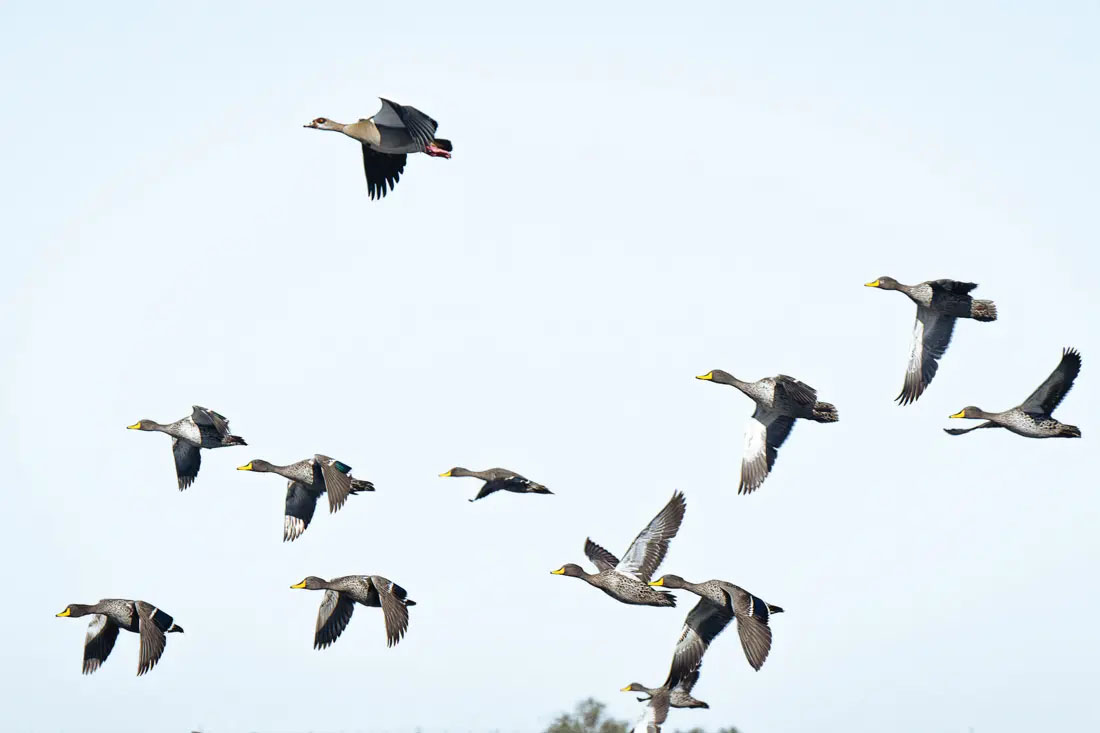
yellow-billed ducks and Egyptian geese as well as a couple of spur-winged
geese.
Because they caught us chasing snipe out in the open, we
didn’t have the luxury of waiting for the ducks and geese to circle down for an
easy shot. Once they spotted us crouching in the mud and grass, we had to take
the shots they offered on the first pass; but we did manage to pull down
several at 60-plus yards using heavy loads of No. 6 shot. Had it occurred to us
to bring calls or decoys, I suspect we might have done well with both. Our
European pointers, on the other hand, proved to be much better water dogs than
I would have expected, retrieving everything we shot with considerable
enthusiasm. I hasten to note there were no crocs in this watershed to spoil
their fun.
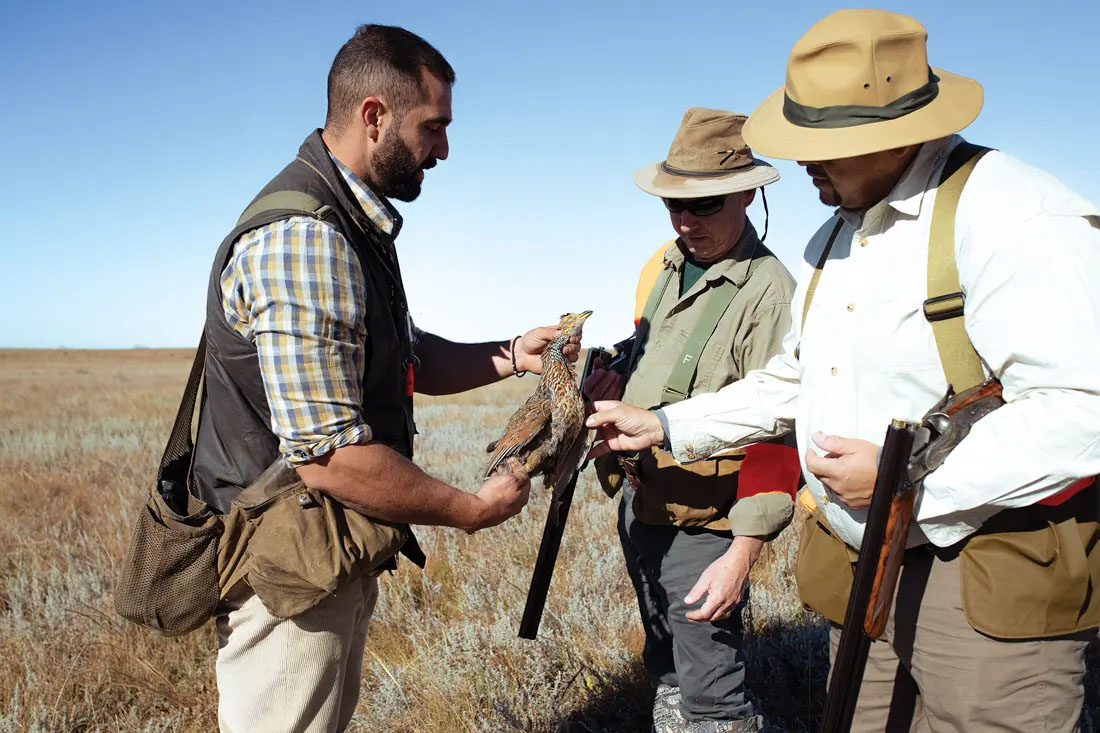
From left: outfitter Chris Christodolou, the author and David Cruz with a francolin. (Photo by Alexis Greene)
Chris and Dylan did all the cooking—on this evening a blesbok stew and on other evenings a variety of game dishes, including delicious guinea fowl pot pie and a couple of Greek recipes Chris inherited from his great-grandmother. Chris and Dylan proved to be fine conversationalists, and we enjoyed discussions on topics ranging from rugby and cricket to sculpture and poetry, dogs, natural history and, of course, fine shotguns.
Our luck wasn't quite as good as the day before, with fewer coveys and a couple of wild flushes. I liked the way the grey-wings flew—quicker on the rise than red-wings and quicker, too, to hurtle over cliff edges toward safety. A fine challenge. We managed to get some long shots at a few grey-wings but didn't connect. We ended up having more luck along the way with a couple of coveys of red-wings. Such is hunting.
At this point we needed to decide whether to stay in the
highlands or move to a different area in search of other species. In
retrospect, we probably should have stayed, enjoying the hard walking and
beautiful country, but we were intrigued by the possibility of Swainson’s
francolin in the low country; so on the third day we moved camp to an area in
the central Free State near Ventersburg. This area is largely agricultural,
with huge expanses of corn and sunflowers, extensive grasslands for cattle and
numerous high-fenced areas for hunting plains game. Its topography resembles
Kansas/Nebraska in some places, Texas/New Mexico in others.
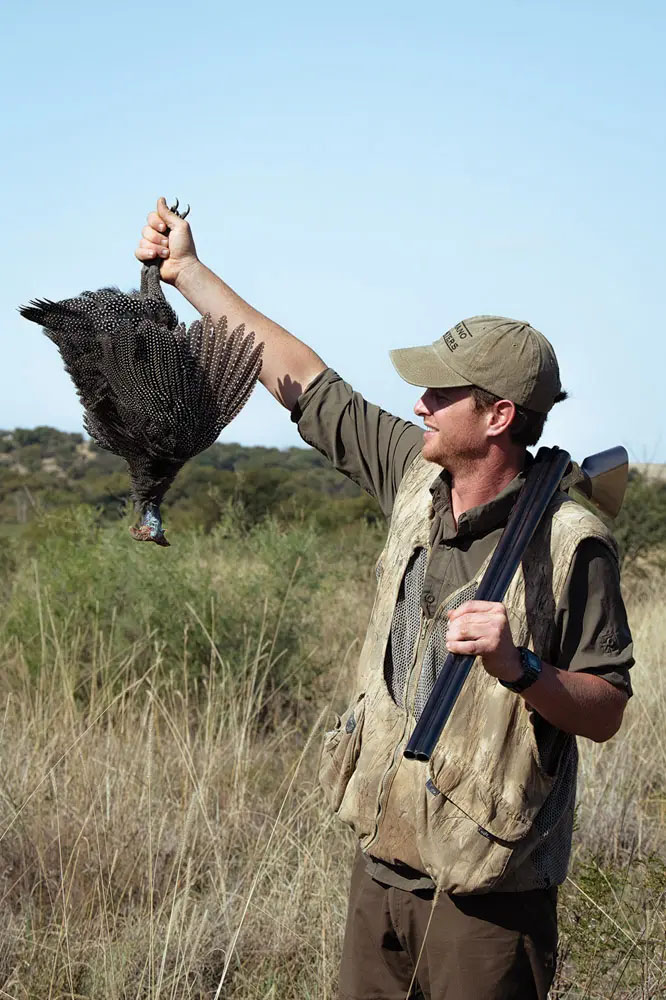
Thomas Hudson hoists a helmeted guinea fowl. (Photo by Alexis Greene)
We enjoyed good shooting for Swainson's, especially in late afternoon, and the dogs managed to point and hold a few helmeted guinea fowl along the way. I'm not much of a fan of seeing high fences, however, even though they make no difference to the birds, and it was hard not to miss the high open country we'd been hunting in Drakensbergs. On our next hunt with Chris I suspect we'll spend more time in the highlands, and if we do hunt the low country, we'll be sure to include driven guinea fowl, which I believe is some of the best driven shooting anywhere.
If I had to pick a single highlight from the trip, it would
have to be spending time with arguably the best set of pointers I’ve hunted
behind. The image of those dogs streaking across wild country under endless
skies is enduring, as is the memory of waking after a nap to find a sleeping
pointer’s head nestled under my arm.
      SCI 2023 HITS ALL THE RIGHT NOTES IN NASHVILLE Country Pursuits & Outfitters Enjoy a “Historical” Show From the Mississippi Delta to the mountains of Appalachia, from the blues to bluegrass, different regions and different sounds came together to form the uniquely American genre of country music. And the vibrant history of this “melting pot” of music can be experienced first-hand at Nashville’s Country Music Hall of Fame. Literally across the street, Nashville’s exhibition hall, the Music City Center, made its own history this past month welcoming over 14,000 sportsmen and women to the first day of the Safari Club International’s 51st Annual Convention (Feb. 22-25), a record opening day attendance for any event in the Center’s history. “Attendance was not only booming the first day, but throughout the show,” commented David Cruz, fine gun expert and owner of Country Pursuits & Outfitters, a long-time SCI exhibitor. “More than the numbers,” added Cruz, “this was an exceptionally positive event. Lots of enthusiasm, lots of interest in getting back out on the next great hunt or outdoor adventure. Also, a noticeable number of younger attendees added a real upbeat vibe to the show. Nashville today is not only the home of country music but also a hot spot of rock ‘n roll together with great food and an all-around fun ambiance.” This upbeat vibe certainly helped create another “historical highpoint” when a set of five custom John Bolliger rifles, “The African Lion Collection,” was gaveled at $675,000 at SCI’s Saturday evening auction, the highest single lot price in SCI’s history. 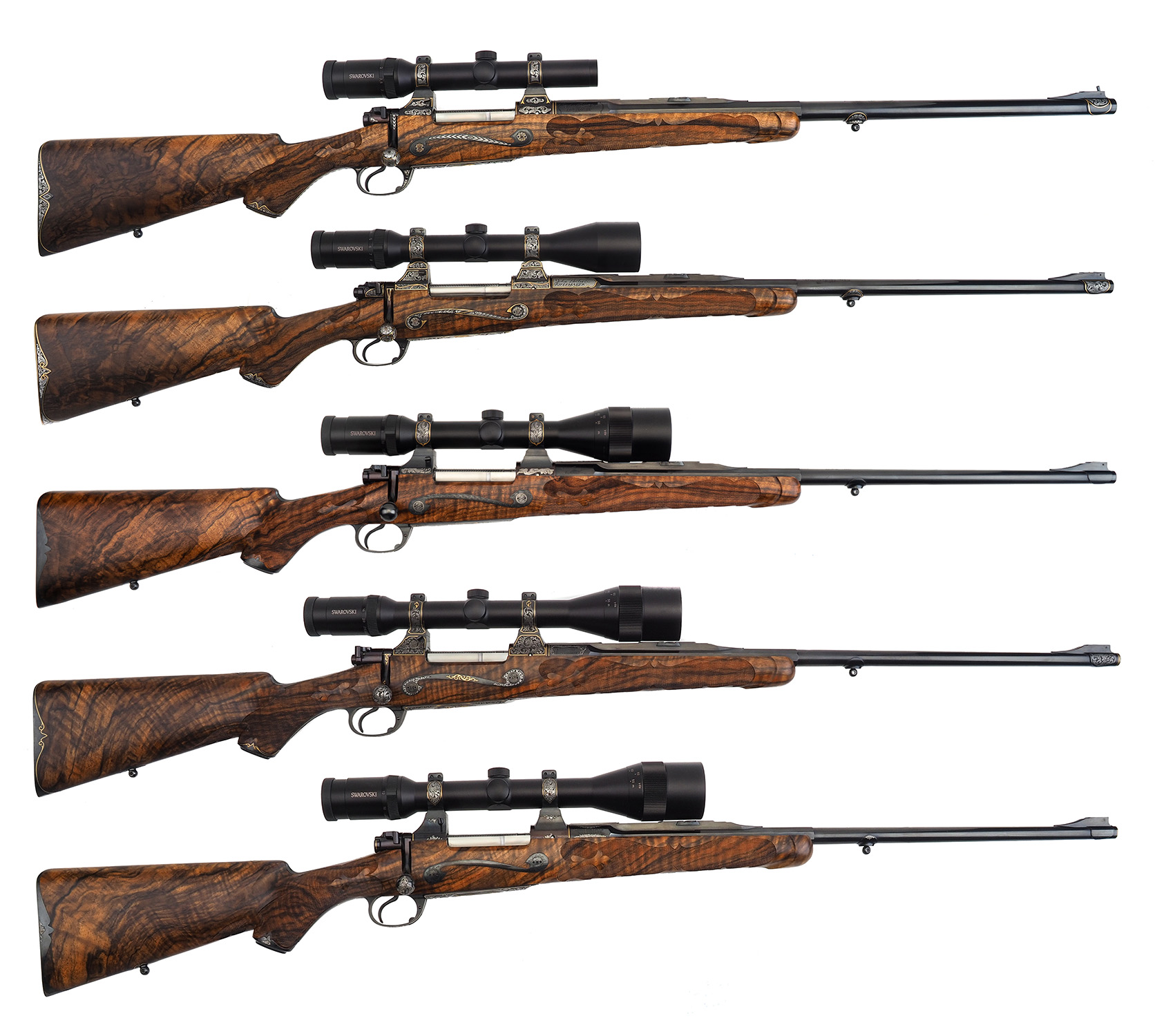 Using a single, 300-year-old Turkish walnut tree, five blanks were cut side-by-side to create perfect book end matching between blanks. Bolliger then sought five Model 70 actions with consecutive serial numbers from Winchester. Special serial numbers are rarely produced by the company, however, because of John’s status as one of the world’s premier custom rifle makers, Winchester agreed and built the actions for this unique series. Barrels are crafted from special order Krieger three-inch diameter blanks with integral bases, helping to ensure that these rifles are as accurate as they are beautiful. The rifles are chambered in Remington Ultra Mag. calibers, 7mm, .300, .338, .375 and .450. 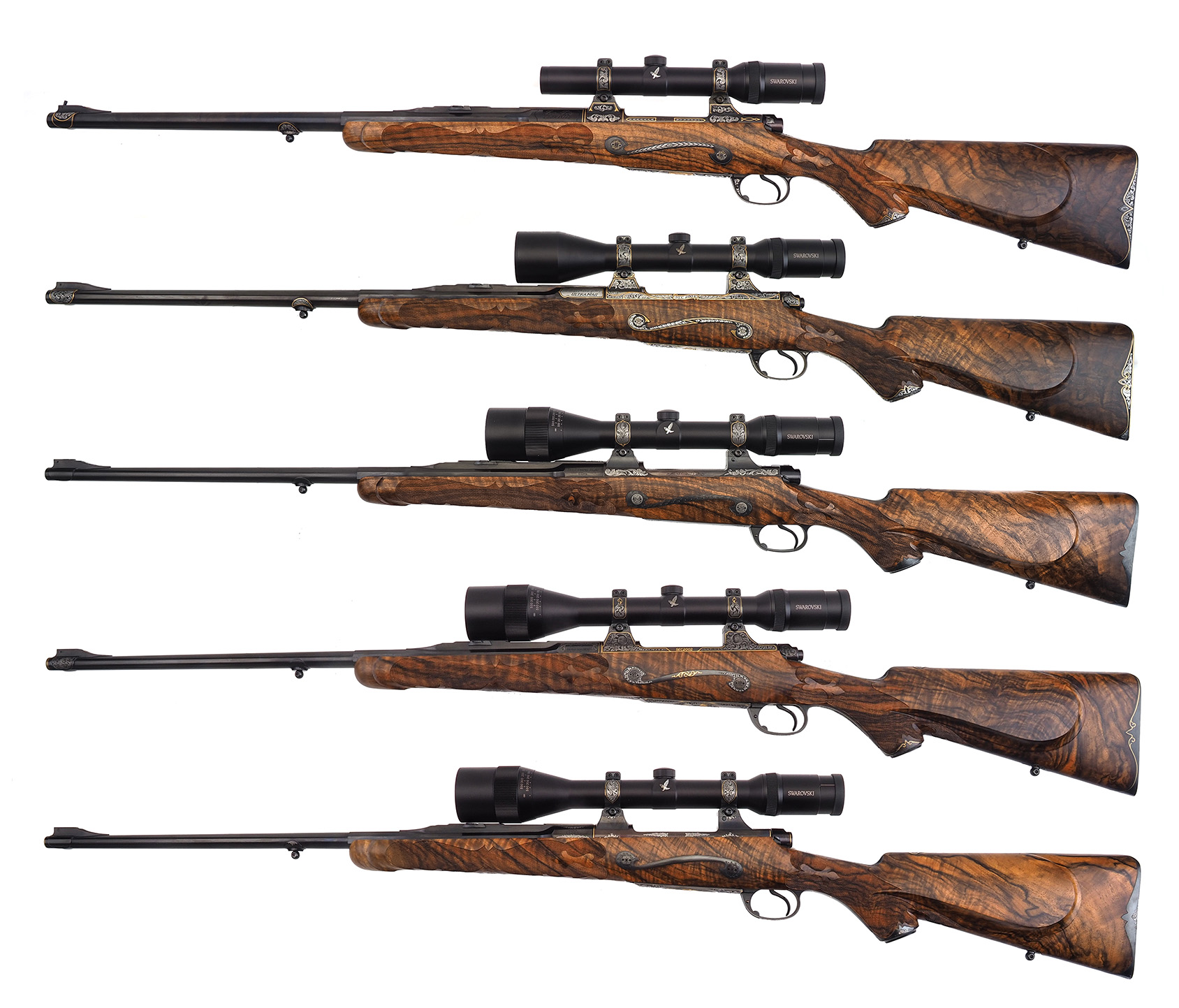 Engraving was done by five of America’s top master engravers selected by Bolliger. While staying within the projects overall artistic theme, each engraver was given the leeway to allow his personal style to shine through. 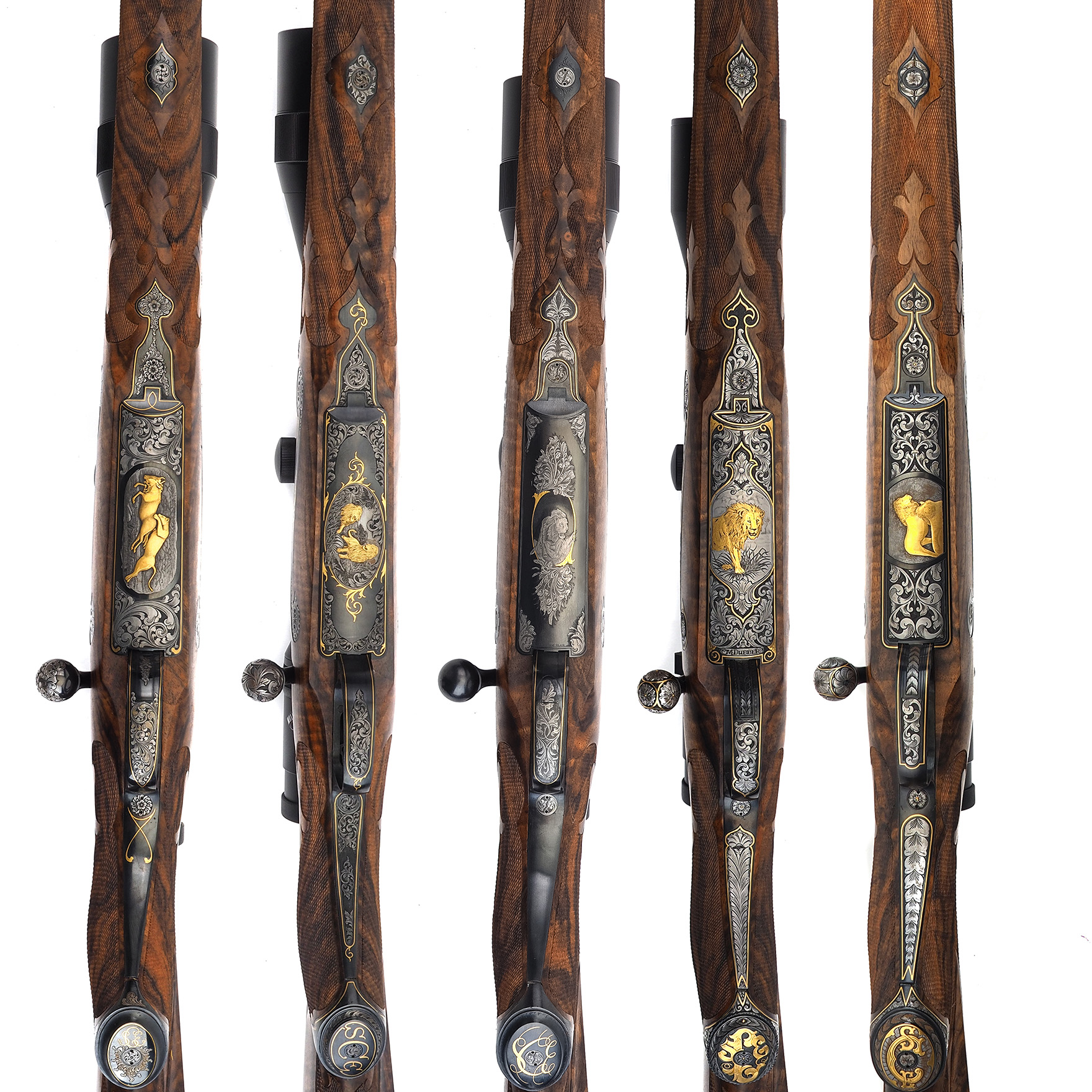 “It took five years and hundreds of hours for Bolliger to create these five rifles,” said Cruz, whose Country Pursuits & Outfitters donated these extraordinary rifles for auction at the 2023 SCI event, “a set that is not only unique, but which can never be duplicated. Only at the SCI Convention could such masterpieces be made available to an audience of great sportsmen and conservationists.” Keeping within the historical theme, Country Pursuits & Outfitters was also able to offer and sell at the show a Holland & Holland Royal sidelock ejector double rifle chambered for the .577 3 ¼” Nitro Express cartridge. This classic big game “stopping” rifle was built in 1930’s, the Golden Age of gunmaking in England, for the legendary African professional hunter, Swedish born Baron Bror Frederik von Blixen-Finecke. The rifle has 25” ejector rifled barrels with quarter rib express rear sights – 1 standing (100yds.) and 2 folding (200 and 300 yds) and features Royal Scroll engraving with a case color hardened finish. Befitting its heavy caliber, the rifle weighs 13 lbs. and is presented in a single Oak & Leather Case with canvas cover, white-handled tools and accessories. Blixen set up Tanganyika Guides Ltd. along with highly regarded professional hunters Philip Percival and Jeff Manley and soon became East Africa’s leading safari outfitters with clients including the Prince of Wales in 1928 and 1930, several Vanderbilts and Ernest Hemingway. The film Out of Africa (1985) was based on the book of the same name, memoirs written by Blixen’s wife Karen “What a great show!”, added David Cruz. “From an historic high auction sale to the sale of a piece of African history. It was also a great reminder that SCI continues to write a critical chapter in our history, protecting our freedom to hunt and promoting science-based wildlife conservation so that our next generation can continue to enjoy our great sporting traditions. (Click on image for larger version)   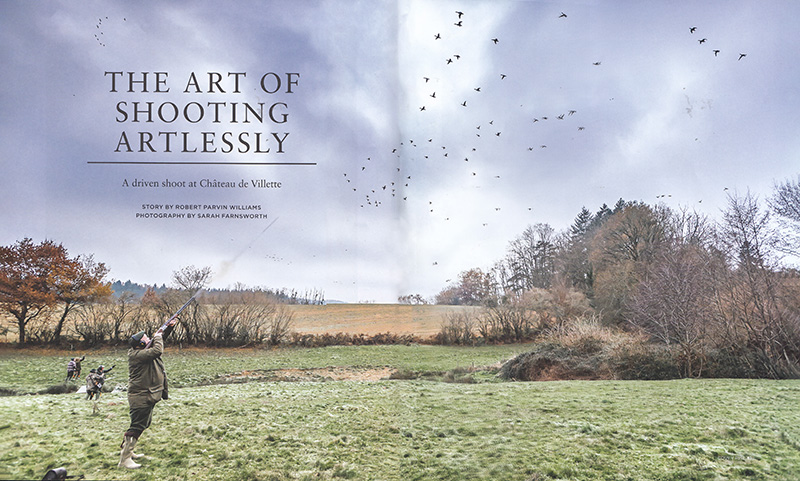 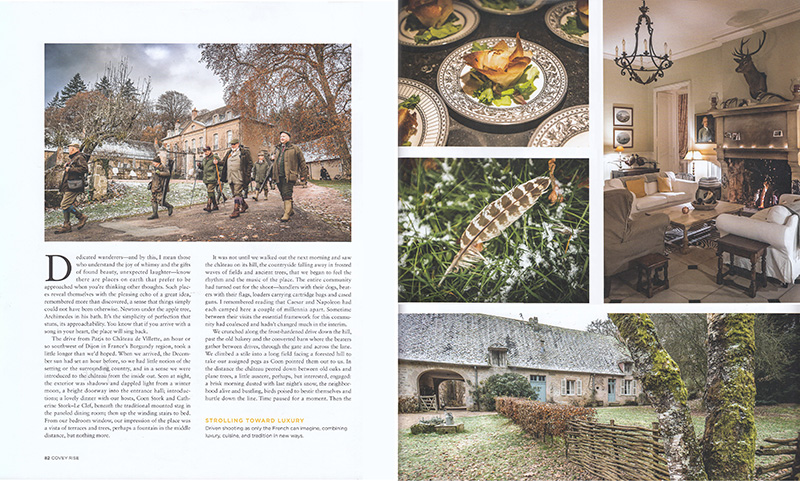 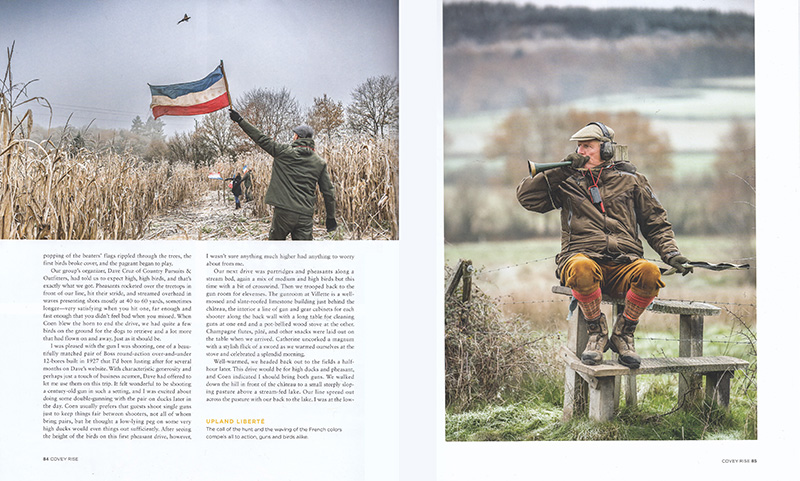 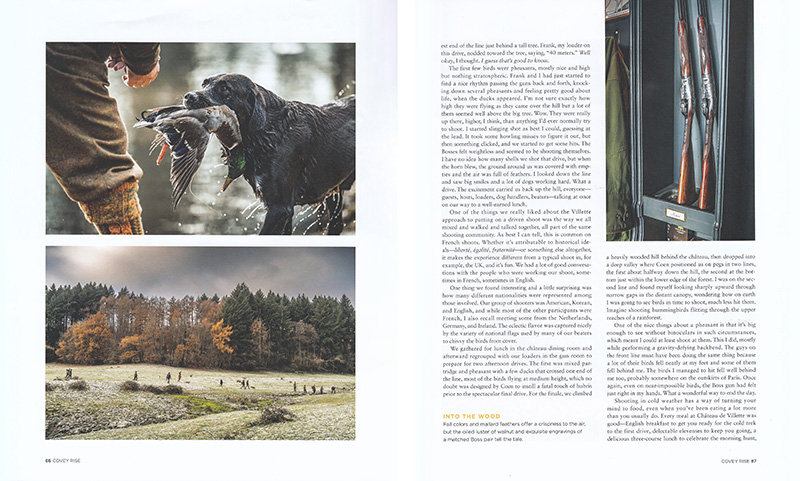 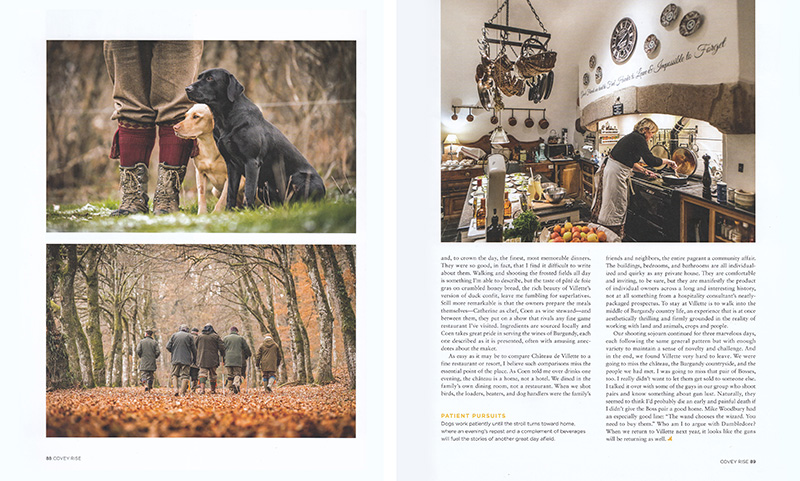 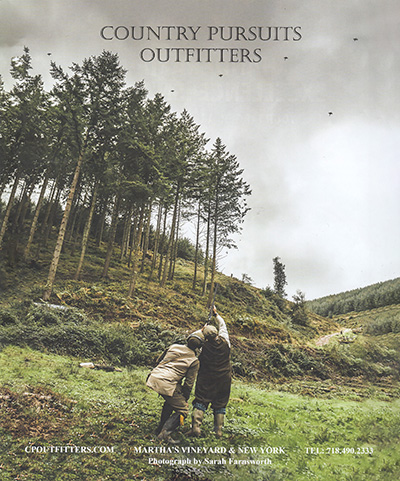 Country Pursuits & Outfitters in "Covey Rise Magazine" December-January 2023 (Click on image for larger version)  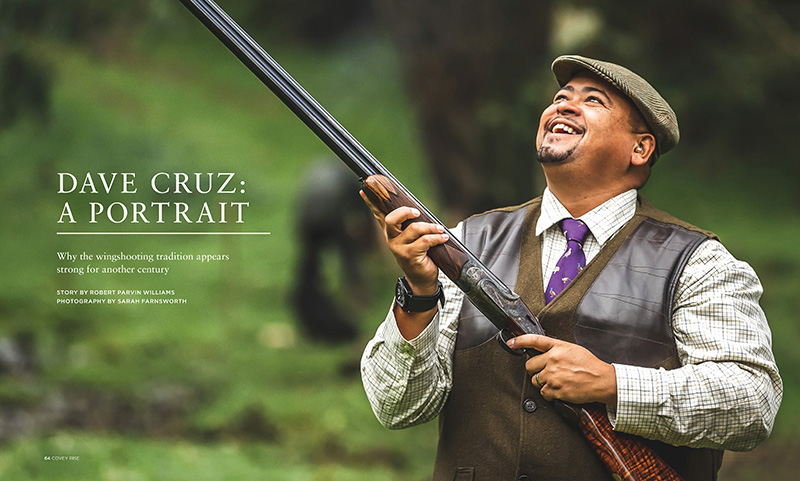 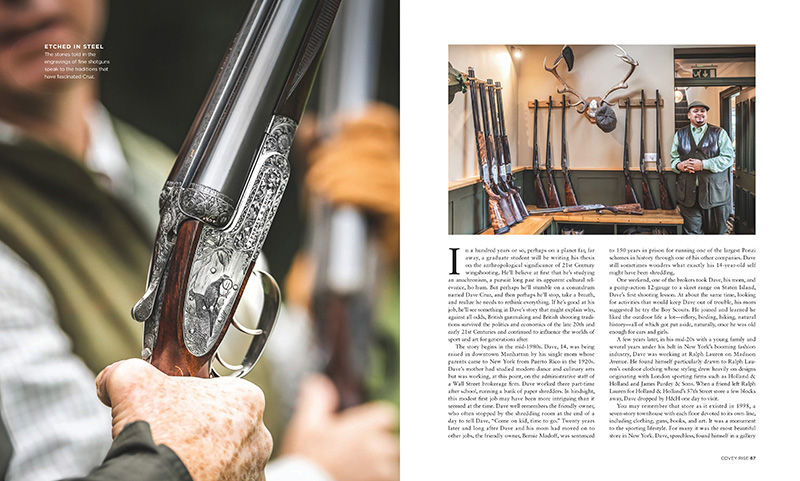 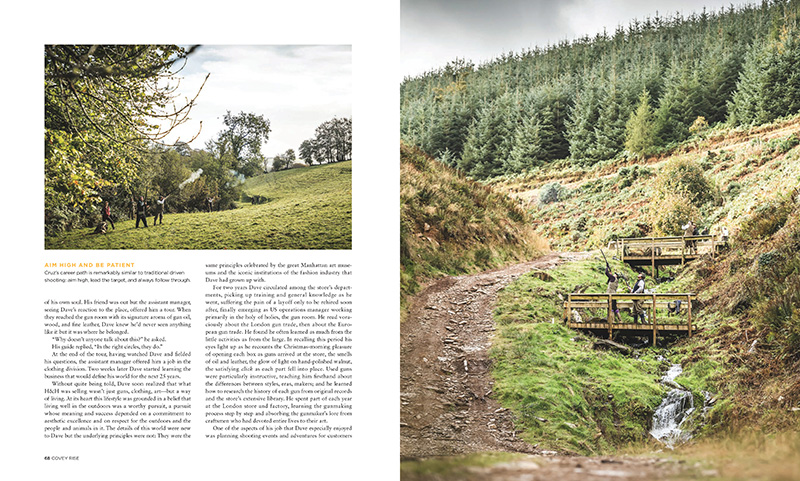 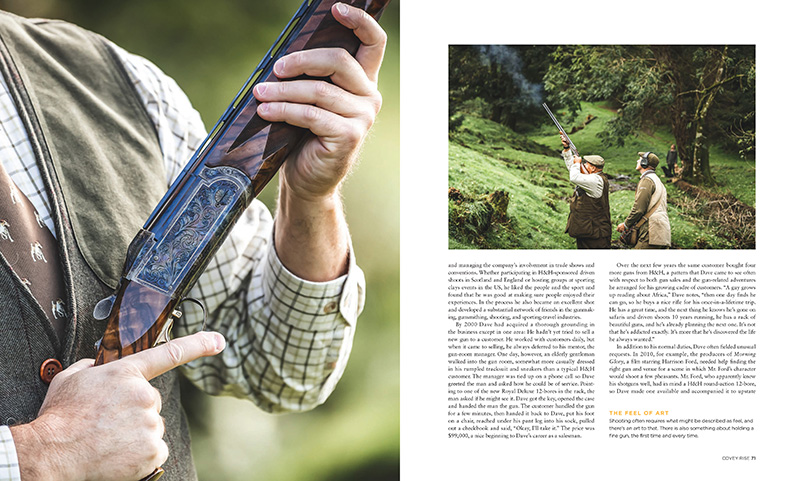  Country Pursuits & Outfitters in "Sporting Classics" January-February 2020 (Click on image for larger version)      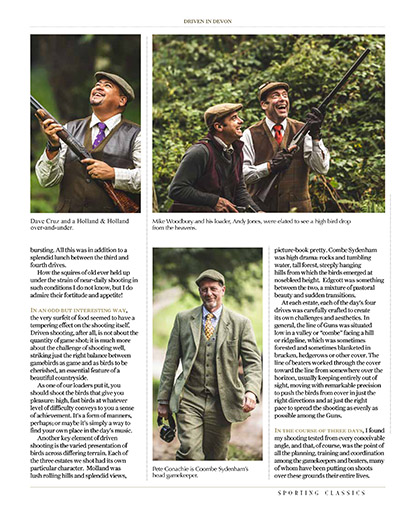 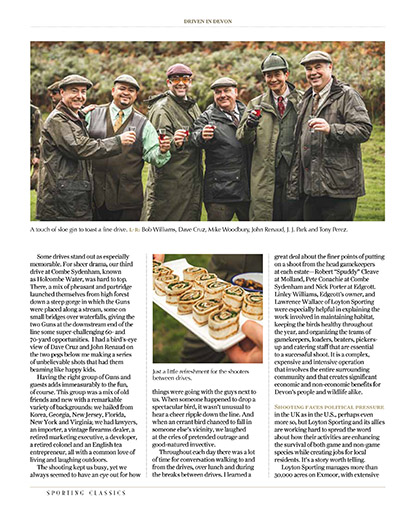 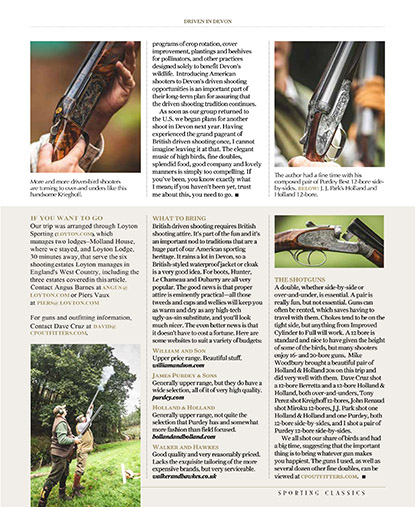
Country Pursuits & Outfitters in "Shooting Sportsman" July-August 2018 (Click on image for larger version) 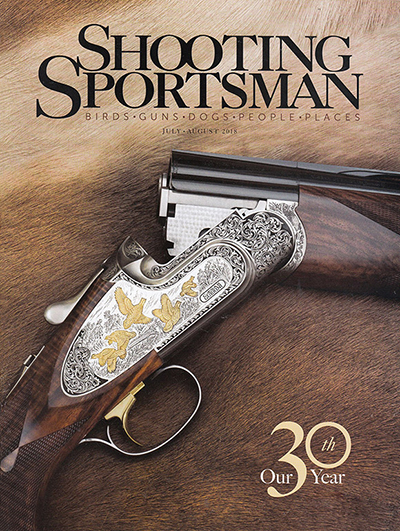 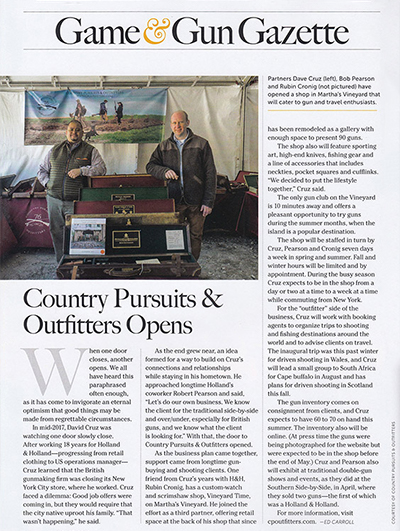 Country Pursuits & Outfitters in "Sporting Classics" August 2018 (Click on image for larger version)   |